
 Wishlist
 Sign In

 FREE delivery over £500*
 Price Match Promise
 Finance options available*
 Rated Excellent on Trustpilot
How to Clean and Unblock a Shower Drain: 5 Quick DIY Solutions
13th May 2026
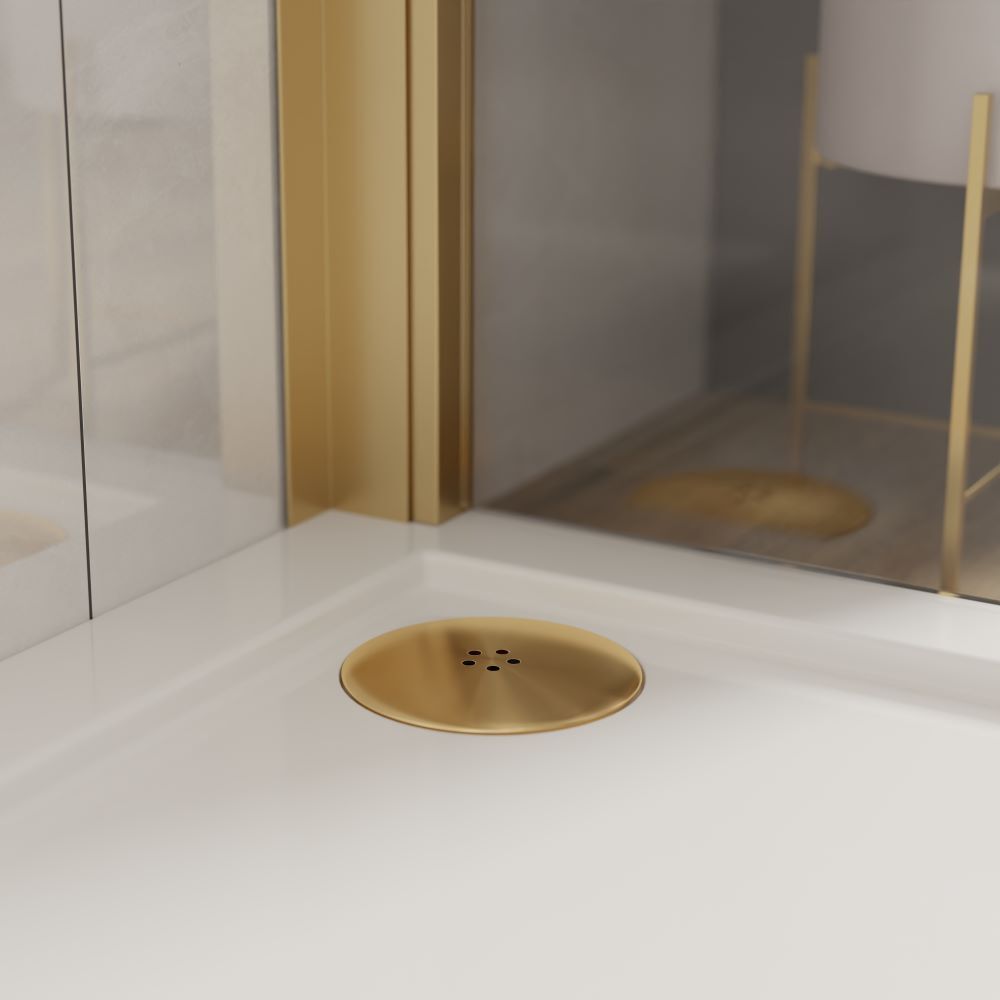
There's nothing more frustrating than stepping into a shower, only to find water pooling around your ankles. A blocked shower drain quickly turns your morning into a stressful ordeal, leaving behind stubborn soap scum and unpleasant smells.
If you're wondering how to clean a shower drain, you rarely need a professional's help. In fact, the average cost to call out a plumber to unblock your shower drain is upwards of £70, so knowing how to do it yourself is much easier on your wallet.
We'll show you the best way to clean a shower drain using simple methods, along with expert tips from Brian Toward, CEO here at Wholesale Domestic.
Contents:
- Why is my shower not draining?
- What you’ll need to clear a blocked shower drain
- How to clean and unblock a shower drain: 5 easy methods
- How to prevent future clogs
Why is my shower not draining?
Nobody likes turning on the shower, only to notice the water isn't draining away as it should. A blocked shower drain is unfortunately one of the most common bathroom problems, and it usually develops gradually over time.
There are several reasons for a blocked shower, including:
- Buildup of hair – This is the most likely culprit, as loose hair tangles around the components inside the drain and makes it harder for water to pass through.
- Soap scum – Solid bar soaps and thick shower gels can congeal in your pipes, creating a sticky residue that traps other debris.
- Dirt and skin cells – The dirt and oils you wash off your body have to go somewhere, and they often stick to the sides of your plumbing.
- Mineral buildup – If you live in one of the UK's hard water areas, the excess calcium and magnesium in your water supply can harden inside your pipes.
What you’ll need to clear a blocked shower drain
Before you start tackling the problem, gather your supplies. Here's a list of tools to get your shower back in working order:
- Gloves
- Eye protection
- Long tweezers
- Plunger
- Kettle
- Jug or cup
- Drain unblocking solution
- Baking soda
- White vinegar
How to clean and unblock a shower drain: 5 easy methods
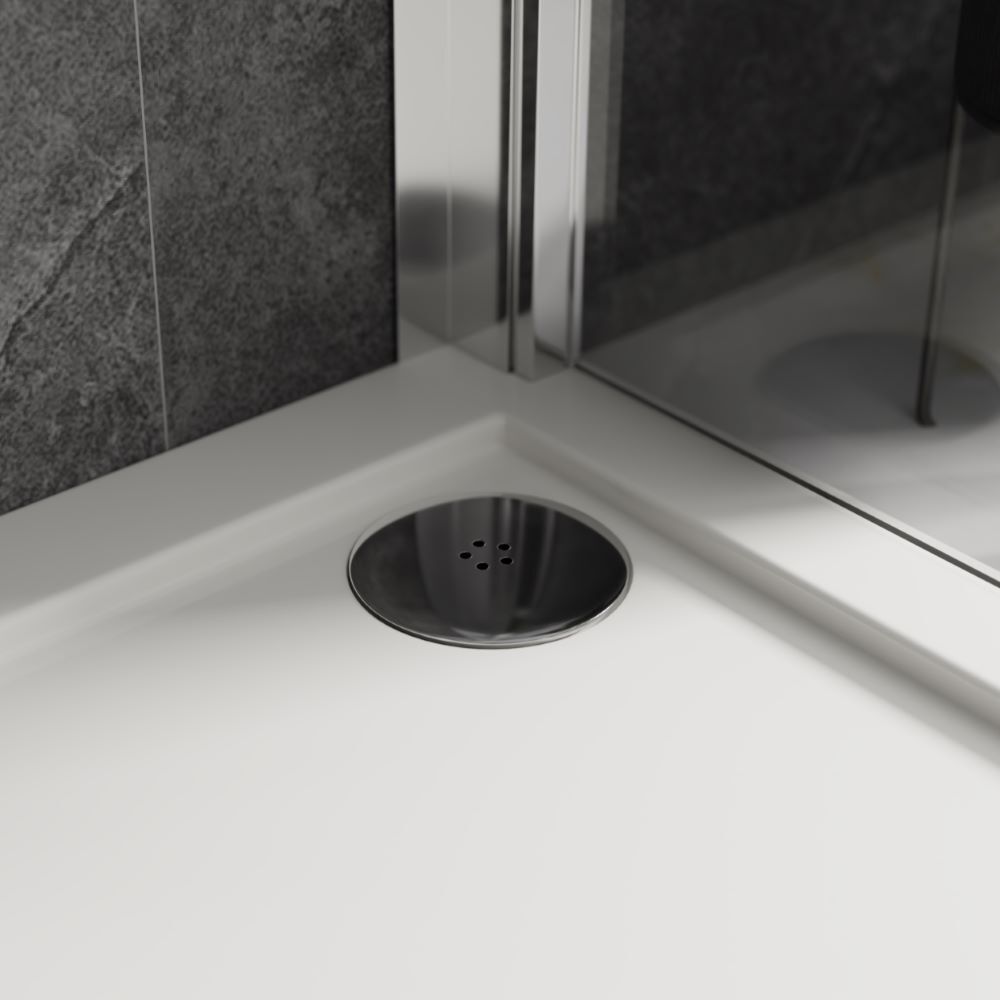
There are a few different ways to tackle a slow-draining shower, and finding the right approach usually depends on what's causing the blockage in the first place.
Whether you're dealing with a light buildup of soap or a stubborn clump of hair, here are five highly effective ways to unblock shower drain problems quickly and safely:
1. The manual method
If you're trying to clean a shower drain blocked with hair, the manual method is usually the quickest and most effective way to solve the problem. This involves physically reaching in and pulling the debris out, meaning there's no worry about leftover blockages.
Here’s how to do it:
-
Remove the drain cover
Before you can get to the root of the problem, you need to gain access to the drain.
Most modern shower drain covers simply lift off, which means you can usually pry them up gently using your fingers. If your drain cover is screwed down, grab a suitable screwdriver and carefully remove the screws, making sure you put them safely to one side so they don't accidentally fall down the plughole. Then, lift off the drain cover and set it aside for later.
-
Pull out any hair/debris
Once the cover's off, it's time to put your gloves on and inspect the drain to locate the problem. You'll usually be able to see the blockage sitting right near the top.
Brian says: "Using your fingers, or a long pair of tweezers, pinch the clump of hair and pull it out. It's a good idea to have a plastic bag or an old newspaper resting nearby so you can dump the wet debris straight into it without making a mess of your shower tray."
-
Use a hook tool to reach deeper blockages
"Sometimes, the blockage is pushed further down the pipe where your fingers can't quite reach. In this case, you can use a plastic drain snake or even a wire coat hanger to help fish it out," Brian suggests.
If you're using a wire coat hanger, untwist the wire and create a small hook at one end. Carefully feed it down into the drain, twist it around a few times to snag the hair, and gently pull it back up. Just be gentle to avoid scratching the inside of your pipes.
-
Rinse the drain with hot water
After you've pulled out as much debris as you can, it's time to test your handiwork. Run the shower on a hot setting for a minute or two. The hot water will flush away any remaining debris and let you check whether the drain's flowing normally again.
If the water drains away quickly, you can pop the cover back on, and you're good to go. If not, you might need to use another unblocking method.
2. The natural method
If you're dealing with a fixed waste unit and wondering how to clean a shower drain that can't be removed, using natural household ingredients is a great, non-damaging option. This method uses a chemical reaction to break down soap scum and loosen debris without harming your fixtures.
-
Remove any standing water
Before adding any ingredients, you need to make sure they can actually reach the blockage. If your shower tray's full of standing water, use a jug or cup to scoop it out and pour it down the toilet or bathroom sink. You want the drain to be as empty as possible so your mixture can get straight to work on breaking down the clog.
-
Add baking soda
Take roughly half a cup of standard baking soda and pour it directly down the plughole.
If you have a smaller drain opening, you might find it helpful to use a funnel to make sure the powder goes straight down into the pipe rather than sitting on the surface of your shower tray.
-
Add vinegar
“Pour half a cup of white vinegar down the drain, right on top of the baking soda you just added. You'll immediately hear it start to fizz and bubble," Brian explains. "That chemical reaction is exactly what you want. It creates a buildup of carbon dioxide gas, which expands inside the pipe, building pressure that helps to dislodge the sticky soap scum and loosen any grime that's holding the blockage together."
-
Leave to sit
"Patience is key here. You need to let the mixture sit and work its magic. I always recommend leaving it for at least 30 minutes, but if you've got the time, a couple of hours or even overnight will give you much better results for more stubborn blockages. If you have a plug or drain cover, pop it back in to force the fizzing reaction downwards," Brian says.
-
Flush with hot water
Once the time's up, boil your kettle and carefully pour the hot water straight down the drain. The heat will melt away the loosened soap scum and flush the baking soda mixture through your system, leaving your pipes clear and smelling fresh.
3. The plunger method
When you're faced with a completely blocked pipe and need to clean a shower drain with standing water, a plunger is your best friend. The suction creates a push-and-pull effect that easily dislodges deep clogs.
Here's what you need to do:
-
Create a seal
To get a plunger to work effectively, you need a perfect, airtight seal around the drain.
If your shower drain cover is removable, take it off first. Then, place the rubber cup of the plunger completely over the drain opening. If the rubber feels a bit stiff, run it under hot water for a minute beforehand to soften it up, which helps it grip the surface of your shower tray much better.
"For an extra-tight seal, you can also run vaseline along the edge of the rubber suction cup before pushing it down over your drain."
-
Add water to the bath or shower tray
"A plunger needs water to create suction – plunging dry air won't do much good. If there isn't already standing water in your tray, use the showerhead or a jug to add just enough water to cover the lip of the plunger cup. This water acts as a second seal, giving you the maximum amount of pressure when you start plunging," Brian says.
-
Plunge to loosen the blockage
Keep the handle of the plunger completely vertical and push down firmly, then pull up sharply. You want to use a strong, rhythmic motion. Do this about six or seven times, and then pull the plunger away. You should see the trapped water suddenly rush down the drain.
If it's still slow, keep repeating the plunging process a few more times until the blockage gives way.
4. The hot water method
Sometimes, the simplest solutions are the most effective. If your drain's only partially blocked and mostly suffering from a buildup of oily shower gels and soap scum, a blast of hot water might be all it takes to melt the problem away.
-
Boil your kettle
Start by filling your kettle to the maximum line and setting it to boil.
Brian adds: “You want the water to be as hot as possible, as the heat is what breaks down the grease and solidified soap that coats the inside of your plumbing."
-
Pour slowly into the drain
"Once the kettle's boiled, bring it to the bathroom and pour the water directly down the plughole. The trick here is to pour it slowly in two or three stages," Brian explains.
"Pour a third of the water into the drain, wait a few seconds for it to melt the scum, and then pour the next third. This gives the hot water time to work on the blockage rather than just bouncing off it."
-
Repeat if needed
If the water's still draining a bit slowly, don't be afraid to boil the kettle and try it again. Sometimes it takes a few attempts to completely flush a heavy buildup of soap from the system.
Just make sure you're pouring carefully to avoid any splashes back onto your skin.
5. The chemical method
If the natural methods haven't worked, it might be time to turn to a commercial drain unblocking spray. You'll need to be careful when handling these chemicals, as they can be dangerous to your eyes and skin. Make sure you always wear protective gloves and glasses.
Brian says: “I’d always be careful with using harsh chemicals, as they can sometimes damage bathroom fixtures, especially older acrylic trays or specialist finishes like matte black and brushed brass. If the blockage isn’t shifting, it’s usually safer to call in a professional than risk damaging your shower or drain.”
Here's how to unblock a drain using a chemical product:
-
Read the instructions carefully
Before you even open the bottle, make sure you read the manufacturer's instructions from start to finish. Different brands have different active ingredients. Some are designed specifically for hair, while others target grease.
The bottle will tell you exactly how much liquid to use and how long it's safe to leave it sitting in your pipes without causing damage to your plumbing.
-
Remove any standing water
Just like with the natural method, you don't want your chemical cleaner diluting in a pool of standing water.
Put on your gloves, grab a cup, and scoop out as much water as you can. This makes sure the concentrated chemicals go into the drain, giving it the maximum strength to dissolve the clog.
-
Pour the solution into the drain
Put on your gloves and eye protection. Then, carefully pour the recommended amount of the chemical solution directly into the plughole, and remember to pour it slowly to avoid any splashing.
If you've got an extractor fan in your bathroom, turn it on, and leave the bathroom door open. These chemicals can create surprisingly strong fumes, so keeping the room well-ventilated is vital.
-
Leave to sit
Now, it's time to walk away and let the chemical do the hard work.
Brian says: “Remember to always stick to the time limit mentioned on the bottle. Leaving harsh chemicals in your pipes for longer than recommended won't make them work better; it'll only increase the risk of the chemicals eating away at your seals and pipework."
-
Flush through with hot water
Once the time's up, you'll need to flush the chemicals out of your plumbing system.
Turn your shower on to a hot setting or carefully pour a kettle of hot water down the drain. Keep the water running for a good two or three minutes to make sure every last trace of the chemical and the dissolved blockage is washed away.
How to prevent future clogs
Dealing with a blocked pipe is never a particularly fun task. The best way to handle blocked shower drains is to prevent them from happening in the first place. With a few minor adjustments to your routine, you can keep your water flowing perfectly.
Use a hair trap
A hair trap (sometimes known as a drain protector) is a simple, cheap mesh screen or silicone cover that sits over or inside your plughole. It lets water flow through while catching any stray hairs before they can enter your plumbing system.
There are two main types of traps available:
- Internal – These sit inside the drain opening out of sight, catching hair below the surface. They're highly effective, but you'll need to remove the drain cover to empty them.
- External – These sit flat on top of your existing drain cover. They're easy to wipe clean after every shower, though they’re visible at all times.
Clean your shower drain regularly
Making drain maintenance part of your routine when you deep clean your bathroom is the most effective way to prevent severe blockages.
You should aim to remove any visible hair and flush your drains with the baking soda and vinegar method at least once a month to remove the early signs of soap scum buildup before they can turn into a full-blown blockage.
"Don't wait until the water stops draining before you take action," Brian advises. "If you make a habit of pouring a kettle of hot water down the drain once a week, and clearing any hair from the surface after every shower, you'll drastically reduce the chances of ever having to deal with a stubborn blockage or bad smells."
Enjoy a sparkling shower at Wholesale Domestic
Taking the time to care for your plumbing helps your bathroom stay a relaxing, hygienic space for years to come. While unblocking a drain is a fairly simple DIY task, sometimes constant drainage issues mean it's time for an upgrade.
If your shower needs a refresh, why not take a look at our fantastic range of shower enclosures, trays, and waste traps? We've got everything you need to create a sparkling, new shower setup that's easy to maintain.
Or, for more bathroom inspiration and easy how-to guides, take a look at our blog.